The Role of Social Media Platforms in Shaping Freedom of Expression in Malaysia
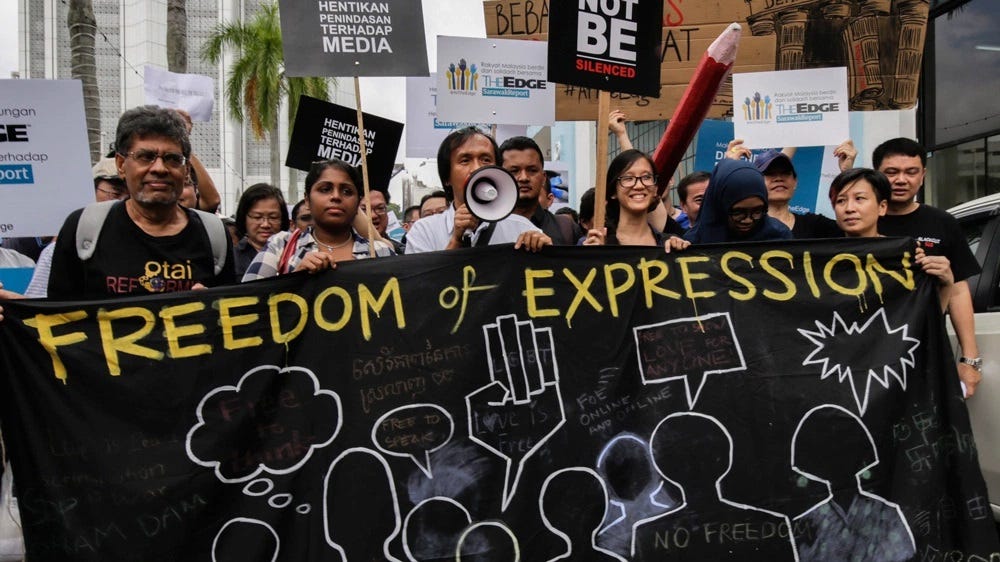
Social media has become a central platform for Malaysians to express opinions, engage in political discourse, and mobilize for social causes. Platforms like Facebook, Twitter, and TikTok have empowered citizens to voice their views and connect with broader audiences. However, this digital empowerment exists alongside a complex regulatory environment that influences the extent of freedom of expression online.
Regulatory Landscape
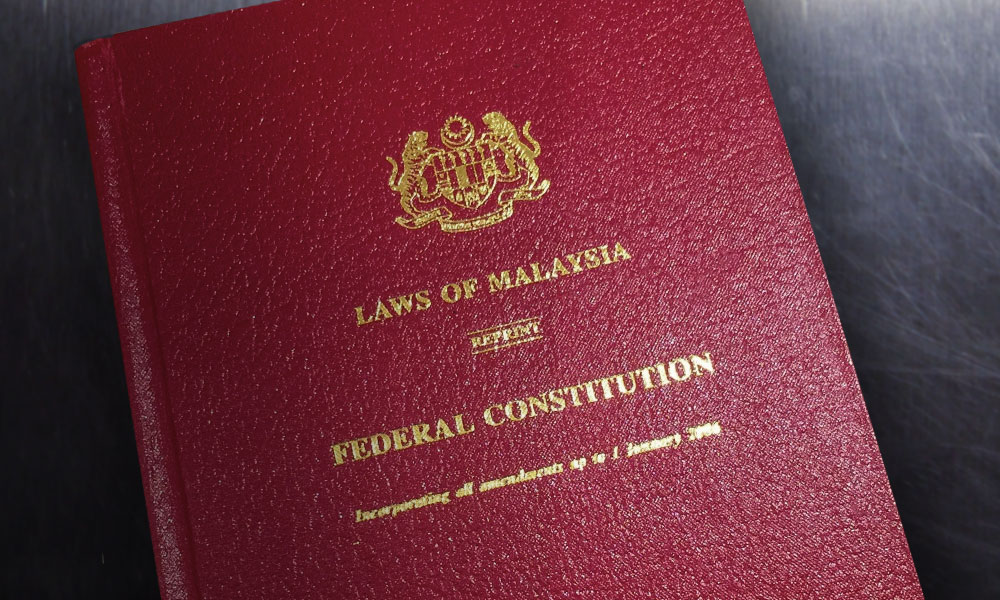
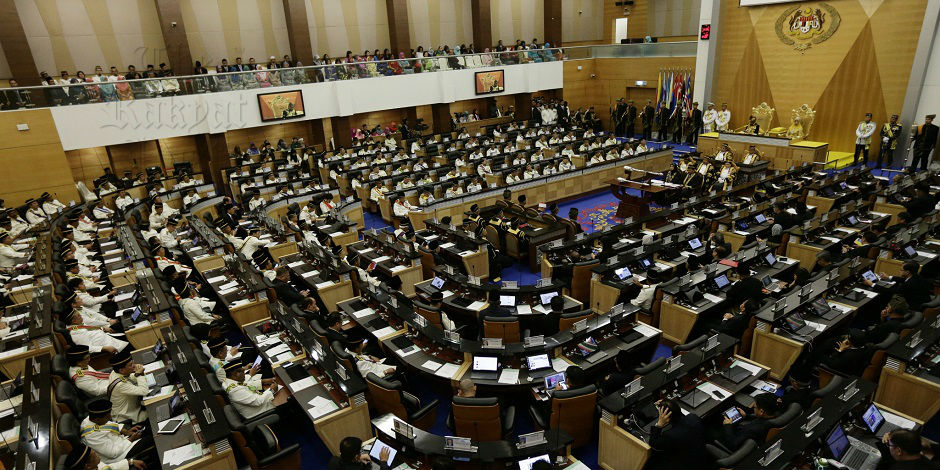
The Malaysian government has implemented laws that impact online expression. The Communications and Multimedia Act 1998 (CMA), particularly Sections 211 and 233, criminalizes the dissemination of content deemed offensive or indecent, often leading to the suppression of dissenting voices. Additionally, the Sedition Act 1948 has been used to curb political criticism and control public discourse.
In 2024, the government announced plans requiring social media companies to obtain licenses under the CMA, a move that civil society organizations warn could further restrict freedom of expression.
Platform Accountability
Social media companies face challenges in balancing content moderation with freedom of expression. In Malaysia, there have been instances where platforms have removed content critical of the government or sensitive topics, sometimes citing violations of community standards. For example, Meta Platforms apologized for mistakenly removing Malaysian Prime Minister Anwar Ibrahim's posts expressing condolences to a Hamas official, attributing the removal to an "operational error."
These actions raise concerns about the transparency and accountability of content moderation practices, especially when they intersect with political sensitivities.
Impact on Marginalized Communities
While social media offers a platform for marginalized voices, it also exposes them to targeted harassment and censorship. Women, LGBTQ+ individuals, and minority groups often face online abuse, and their content is disproportionately subject to removal or suppression. Research indicates that algorithmic biases and lack of robust protections exacerbate these challenges.
The Path Forward
To safeguard freedom of expression in Malaysia's digital landscape, a multi-stakeholder approach is essential. This includes:
-
Legal Reforms: Revising or repealing laws that unduly restrict online expression, ensuring they align with international human rights standards.
-
Platform Responsibility: Encouraging social media companies to implement transparent, fair, and culturally sensitive content moderation policies.
-
Digital Literacy: Promoting digital literacy among users to navigate online spaces responsibly and critically.
-
Civil Society Engagement: Empowering civil society organizations to advocate for digital rights and hold both governments and platforms accountable.
By examining the intricate relationship between social media platforms and freedom of expression in Malaysia, it's evident that ongoing dialogue and proactive measures are crucial to uphold the fundamental right to free expression.