
Freedom of Speech and Expression in Malaysia: An Introduction to a Fundamental Right
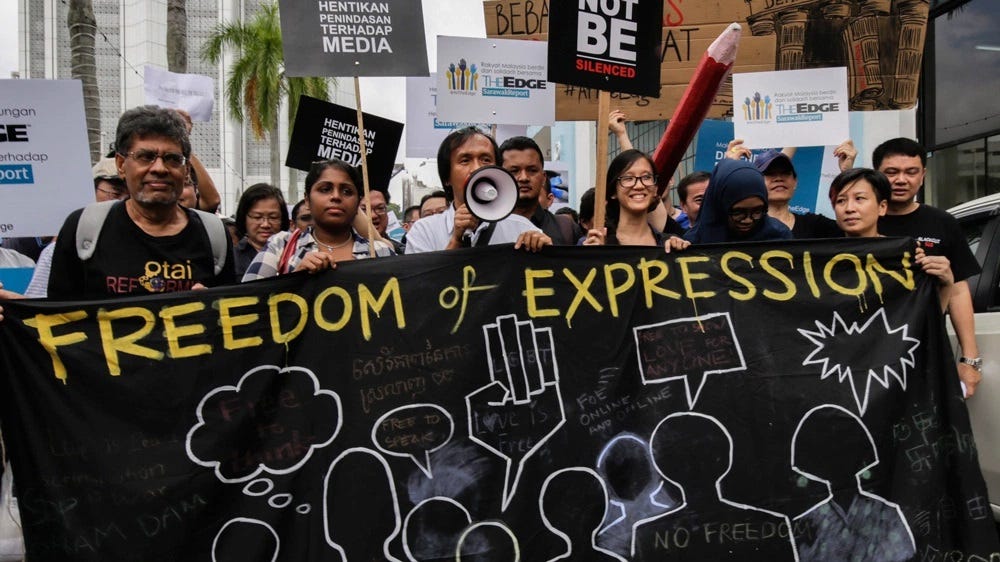
Welcome to our blog series on Freedom of Speech and Expression in Malaysia, where we’ll dive into one of the most critical yet complex aspects of human rights and media law in our country. Freedom of speech and expression is often hailed as the cornerstone of a democratic society, enabling individuals to voice their opinions, share ideas, and hold those in power accountable. In Malaysia, this right is enshrined in the Federal Constitution, but its practice is shaped by a web of laws, cultural sensitivities, and socio-political realities. This introductory post will provide an overview of the legal framework, key challenges, and recent developments surrounding freedom of speech in Malaysia, setting the stage for deeper explorations in future posts.
The Legal Foundation: Article 10 of the Federal Constitution
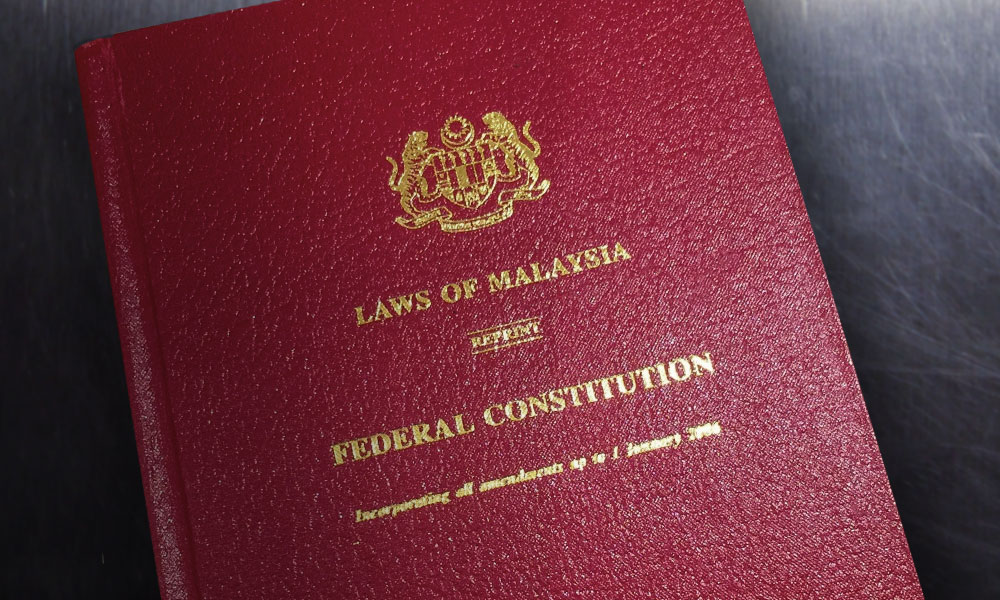
In Malaysia, the right to freedom of speech and expression is guaranteed under Article 10(1)(a) of the Federal Constitution, which states: “Every citizen has the right to freedom of speech and expression.” This provision is part of the broader framework of fundamental liberties, which also includes the rights to peaceful assembly and association. However, this right is not absolute. Article 10(2) allows Parliament to impose restrictions deemed necessary for reasons such as national security, public order, morality, or to protect the rights of others.
This constitutional balance—granting a right while permitting restrictions—lies at the heart of Malaysia’s approach to free speech. Laws like the Sedition Act 1948, Communications and Multimedia Act 1998 (CMA), and Penal Code are frequently used to regulate speech, often sparking debates about whether these restrictions are proportionate or overly restrictive. For instance, the Sedition Act has been criticized for its vague definition of “seditious tendency,” which can encompass speech that merely criticizes the government or monarchy.
Historical Context: A Legacy of Control
Malaysia’s approach to freedom of speech is deeply influenced by its colonial past and multi-ethnic society. The Sedition Act 1948, a relic of British colonial rule, was originally designed to suppress dissent. Post-independence, it has been used to curb speech deemed sensitive, particularly on issues of race, religion, and royalty (commonly referred to as the “3R” issues). The Communications and Multimedia Act 1998 further expanded government control over online expression, reflecting the challenges of regulating speech in the digital age.
The 2018 general election marked a significant moment, with the Pakatan Harapan (PH) coalition promising reforms to promote a freer media environment. The repeal of the Anti-Fake News Act 2018 in 2019 was a step forward, but other restrictive laws remain in place, and subsequent governments have continued to use them to target critics, journalists, and activists.
Key Challenges: Balancing Rights and Sensitivities
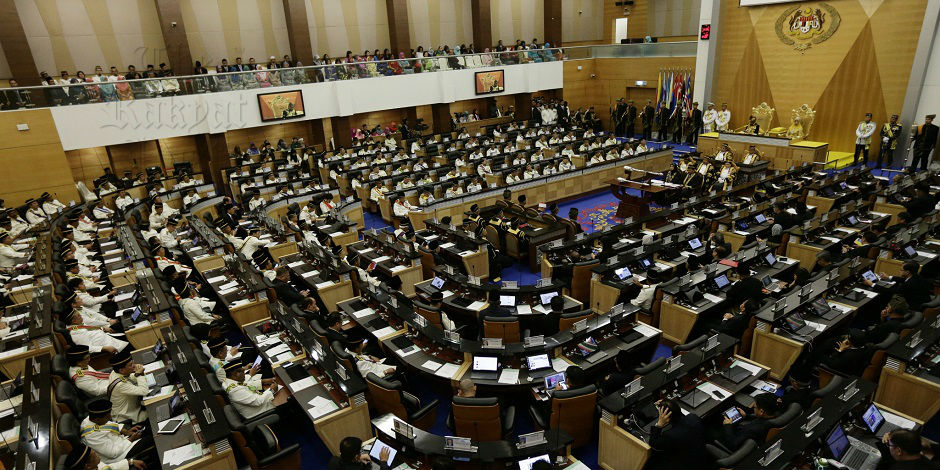
Malaysia’s diverse society, with its mix of Malay, Chinese, Indian, and indigenous communities, adds complexity to the free speech debate. The government often justifies restrictions by citing the need to maintain racial and religious harmony. For example, speech touching on the “3R” issues is heavily scrutinized, as it is seen as potentially inflammatory in a multi-ethnic context.
Recent cases highlight this tension. In 2021, political cartoonist Zunar faced investigation under the Sedition Act for a satirical drawing critiquing a state official’s decision, illustrating how artistic expression can be criminalized. Similarly, in 2020, Al Jazeera was investigated for a documentary on migrant workers, raising concerns about press freedom. These cases reflect a broader pattern where journalists, activists, and even ordinary citizens face legal action for expressing views deemed controversial.
Social media has further complicated the landscape. While platforms like X and Facebook have empowered Malaysians to share their views, they have also led to increased prosecutions under the CMA for online speech, including cyberbullying and misinformation. A 2021 case involving a woman spreading false vaccine information on Instagram underscored the risks of misusing free speech, but also raised questions about how such cases are handled legally.
Recent Developments: A Shifting Landscape
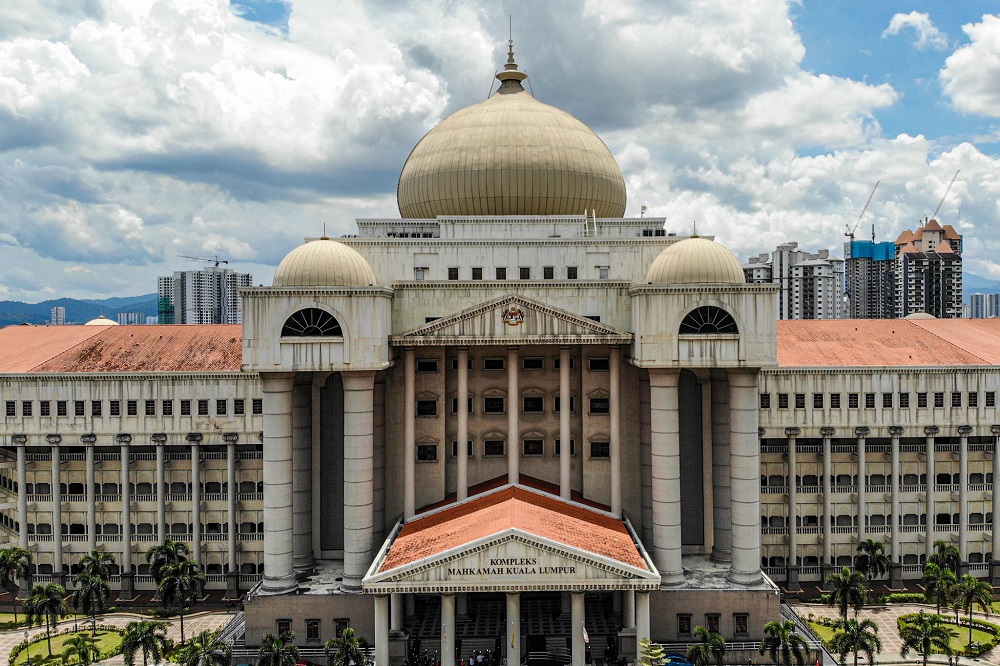
As of 2025, Malaysia’s press freedom ranking has slipped to 107th in the Reporters Without Borders index, a drop of 34 spots from 2024, signaling growing concerns about media restrictions. The government has signaled plans to revise the Sedition Act to focus on protecting the monarchy, while potentially introducing new laws to address race and religion-based provocations. These developments suggest that free speech remains a contentious issue, with ongoing debates about reform versus control.
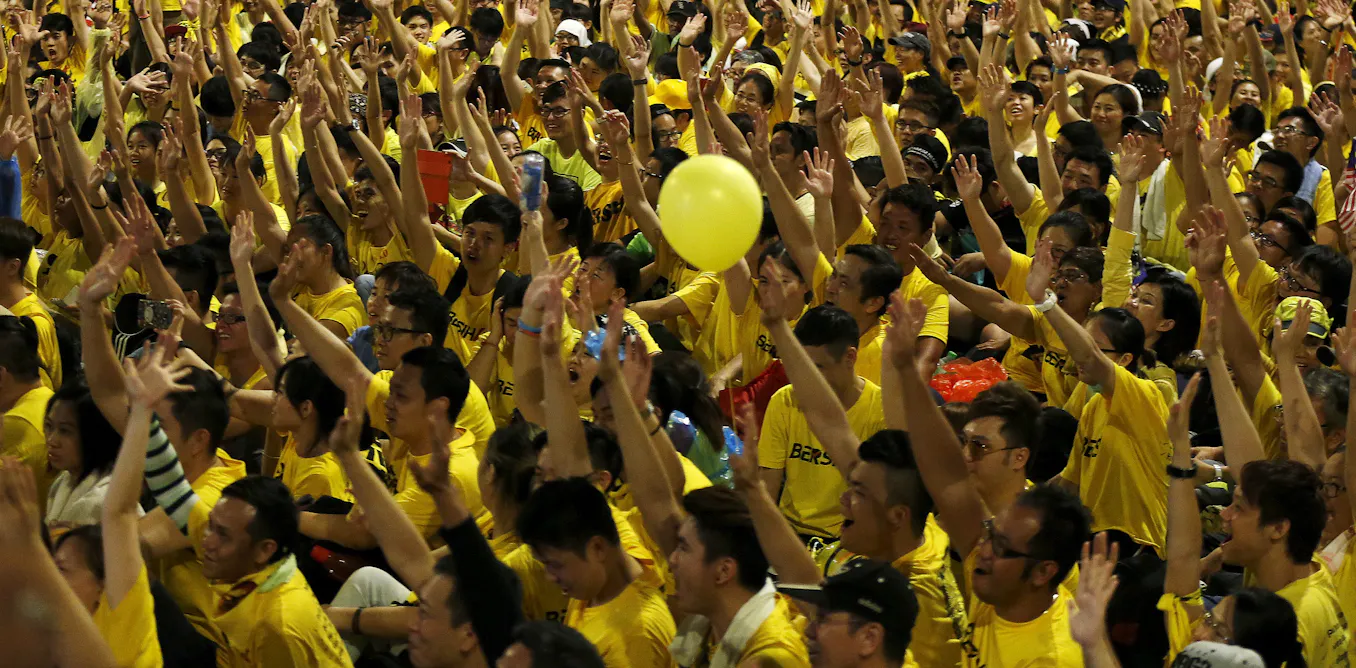
The rise of online activism, such as the Bersih movement advocating for electoral reform, shows how Malaysians are using digital platforms to push for change, despite legal risks. Meanwhile, organizations like the Human Rights Commission of Malaysia (SUHAKAM) continue to advocate for repealing restrictive laws and aligning Malaysia’s legal framework with international human rights standards, such as Article 19 of the International Covenant on Civil and Political Rights (ICCPR).
What’s Next for This Blog?
This blog will explore the multifaceted dimensions of freedom of speech and expression in Malaysia through a series of posts. Future topics will include:
- Case Studies
- Media and Journalism
- Digital Speech
- Comparative Perspectives
We aim to provide a balanced perspective, critically examining both the government’s rationale for restrictions and the arguments for greater freedom. Whether you’re a student, journalist, activist, or simply curious about media law, this blog will offer insights into how freedom of speech shapes Malaysia’s democratic landscape.
Join the Conversation
Freedom of speech is not just a legal concept—it’s a lived experience that affects how we communicate, create, and coexist. What are your thoughts on the state of free speech in Malaysia?
Written by Raushan


No comments:
Post a Comment